
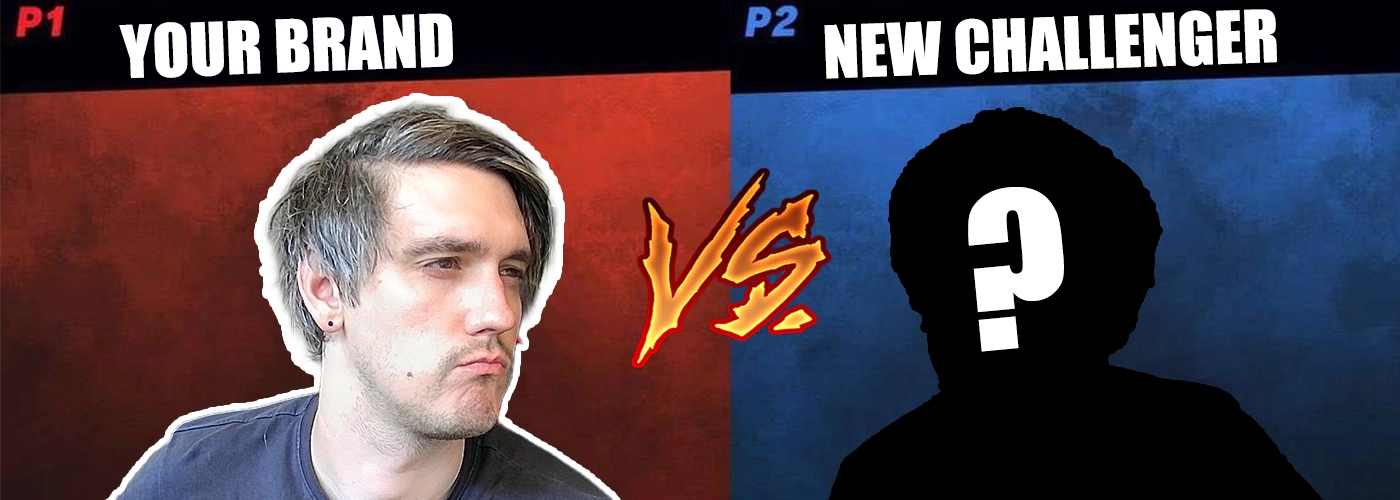
What’s the difference between SEO and AEO?
For years, the goal of a small business website was simple: rank on Google, get clicked, get a customer. That’s still part of the picture. But it’s no longer the whole picture.
More people are starting their search not by typing into Google, but by asking an AI assistant a direct question, like “who does custom tattoo work near me,” “best bakery for a last-minute birthday cake,” “how to use wordpress or squarespace for a small business.” Those tools don’t send a list of blue links. They give one answer, sometimes a short list, and move on. If your website isn’t structured in a way that answer engines can read and trust, you’re invisible in that conversation entirely, even if you’d rank on page one of a traditional Google search.
This is the difference between Search Engine Optimization (SEO) and Answer Engine Optimization (AEO), and small businesses need to understand both.
SEO is still a major foundation in the best practices of marketing
Search engine optimization hasn’t gone anywhere. It’s still what determines whether your site shows up when someone searches for what you do, in your area, in a traditional search. The basics still matter:
- Clear, specific page titles and headings that describe exactly what you offer
- Location mentioned naturally, more than once, if you serve a specific area
- Fast load times and a site that works properly on mobile
- Fresh content: a blog, updated service pages, anything that signals the site is active and maintained
Where a lot of small business sites fall short is the basics never being tended to. Like a homepage with vague language like “quality service you can trust” instead of naming the actual service with specific details. Alt tags with generic file names instead of descriptive ones. A site that hasn’t been touched in two years, sitting quietly while competitors update theirs monthly.
AEO is a new layer, and it works differently than SEO
Answer engine optimization is about making sure AI tools, search engine AI overviews, chatbots, voice assistants, can actually extract a clear answer from your site and feel confident enough to hand it to user with a prompt.
These tools aren’t ranking pages the way traditional search does. They’re scanning content, looking for a direct, well-structured answer to a specific question, and pulling from whichever source states it most clearly. That changes what “good content” looks like.
A few things make a real difference here:
Write in direct question-and-answer patterns where it makes sense. If people commonly ask “how much does a custom tattoo cost” or “how long does a website redesign take,” having a section that asks and directly answers that question, clearly, in a sentence or two, gives an AI tool something concrete to pull from. Burying the answer in a long paragraph of general branding language doesn’t.
Use structured formatting. Headers, short paragraphs, bullet points, and FAQ sections aren’t just easier for humans to skim, they’re easier for AI tools to parse and extract cleanly. A wall of unbroken text, even if it’s well-written, is harder for these systems to confidently summarize.
Make sure your basic facts are consistent everywhere. Hours, location, pricing structure, services offered, if this information is different across your website, your Google Business profile, and your social media, that inconsistency makes AI tools less likely to trust any one source enough to cite it. Consistency is a trust signal, not just a nice-to-have.
Add real, specific detail instead of general claims. “We offer fast turnaround” says very little. “Most custom pieces are completed within two to three weeks” gives an answer engine something factual and quotable. Specificity is what gets pulled into an answer; vagueness gets skipped over.
SEO doesn’t replace AEO, nor does it work the other way around
It’s tempting to treat AEO as the new thing to chase and SEO as old news, but they’re not competing priorities, they build on each other. A site with strong SEO fundamentals (fast, clear, well-organized, regularly updated) is already most of the way toward being AEO-friendly too. The next layer, AEO, is just being more deliberate about answering real questions directly, instead of writing purely to sound polished.
Where are most small business sites at right now?
Most small business websites were built once, a few years ago, and haven’t meaningfully changed since, which means they were built for a search landscape that’s already shifting underneath them.
That doesn’t mean they need to start over, necessarily.
It usually means a focused pass: tightening up pages that are too vague, adding a clear FAQ section built around the actual questions people ask, fixing basic inconsistencies across platforms, and making sure the site is structured in a way both people and AI tools can read at a glance.
The businesses that show up in an AI-generated answer six months from now are the ones making that adjustment now, not the ones waiting to see how it plays out.
If you’d like to optimize your brand to make sure it shows up in AI-generated answers, book a free 15-minute consultation with me today!